Whoa!
Okay, so check this out—using a browser-based wallet for Solana used to feel like a sketchy shortcut. This matters if you want a Phantom-like experience without juggling extensions or a phone app. Initially I thought a web wallet couldn’t match extension-level security, but some recent designs close the gap in surprising ways. I’ll be honest—this part bugs me, though it also opens doors for people who just want faster onboarding.
Seriously?
Yes. Browser wallets have matured. Developers have figured out better session models, more transparent signing flows, and clearer UX for staking. On one hand there’s the convenience of clicking a link and connecting in seconds. On the other hand you still must respect private key hygiene and avoid suspicious sites—so think like you would with any crypto tool.
Hmm…
My instinct said “don’t trust web-only wallets,” and that initial gut was helpful. But then I spent time poking at prototypes and doing the slow analysis, and I changed my mind about some tradeoffs. Actually, wait—let me rephrase that: I didn’t abandon the skepticism, I just prioritized where risk is real versus where it’s perceived. There are honest wins here: onboarding, cross-device recovery options, and faster fiat rails can make Solana more accessible.
Here’s the thing.
Browser-based Phantom experiences can offer direct staking flows that are surprisingly user-friendly. You can delegate SOL to validators right from a web UI without installing anything extra, assuming the site integrates a trusted wallet provider. That said, you need protections—hardware-key-backed recovery, or a robust seed import flow that includes warnings and checks. I’m biased, but a hybrid approach (web for UX + optional hardware for security) is what I prefer personally. Also, somethin’ about seeing rewards compound on a chart just feels better in a full-screen tab.
Whoa!
Let’s walk through the practical parts—what a web Phantom would need to do to handle staking safely. First: key custody must be explicit and transparent, with clear prompts before any delegation. Second: the wallet should show validator performance history, commission, and skipped-slot metrics without burying them behind fancy graphics. Third: unstaking and cooldown periods deserve bold warnings because people forget that SOL takes time to become liquid. These are basic, but they’re often the weak link in shiny demos.
Really?
Yes, and here’s why validator choice matters. A bad validator can underperform or behave maliciously, affecting your rewards and exposure. Tools that let you split stakes, set max commission filters, or auto-rotate to healthier validators are helpful. On top of that, slashing risk on Solana is relatively low compared to some chains, though not zero—so it’s worth vetting. If you’re in a hurry, automated delegations to vetted pools are a good fallback.
Hmm…
Okay, check this out—I’ve tried a web client that presents a clear step-by-step staking flow: connect, choose validator, confirm fee estimate, and finalize. The confirmations were explicit about cooldown and fee. Initially I thought it would feel clunky, but the flow was intuitive and fast. That said, a few edge cases still need work—like handling partial stake withdrawals or showing epoch math in plain English rather than cryptic numbers.
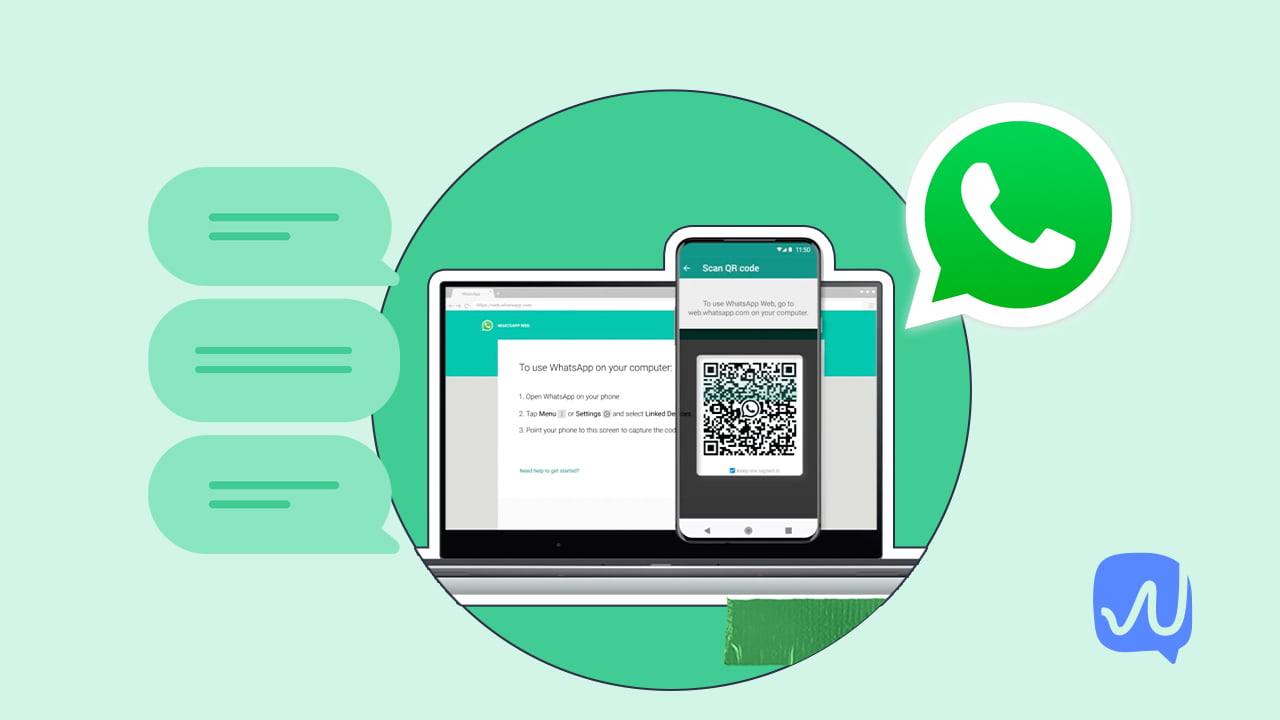
Where to try a web Phantom experience
If you want to experiment, try a reputable web client that mirrors Phantom’s UX and integrates Solana RPC endpoints you trust. A good place to start is phantom web—it demonstrates how a web-first flow can feel native while keeping signing prompts explicit and readable. Remember: always check the URL, verify certificates, and never paste your seed into unfamiliar sites. Also—double-check transaction details when you stake, since fees and cooldowns vary.
Whoa!
Security tips quick: prefer read-only sessions for exploration, use hardware-backed signing when available, and keep small test deposits before moving large amounts. If recovery options look sketchy, close the tab and breathe—seriously, step away and reassess. On one hand, web wallets reduce friction; on the other, they can lure users into risky habits if the UX hides important warnings. Balance is key.
Here’s the thing.
Staking from the web doesn’t change the economics—rewards are still distributed by validators and subject to epoch timing. What changes is accessibility: people unfamiliar with extensions or CLI tools can participate faster. That tends to grow the network, which I’m naturally excited about, though it also means more responsibility for builders to educate users. A small tangent: I love that Solana’s staking model is straightforward compared to some L2 systems—less legwork, more compounding.
Hmm…
Practically, expect these steps when staking SOL in a browser wallet: connect your session, pick or search for validators, enter stake amount, review estimated rewards and fees, confirm signature, and then monitor the stake across epochs. The UI should show time-to-activate and time-to-deactivate clearly. If it doesn’t, that’s a red flag. Also, somethin’ to remember—rewards can be restaked automatically in some wallets, which is a nice time-saver if you want passive compounding.
FAQs about web Phantom and staking SOL
Is a web wallet as secure as the Phantom extension?
Short answer: not exactly. A web wallet can approach the extension’s security if it uses strong cryptographic signing, hardware key support, and transparent permission prompts, but browser environments introduce more surface area for phishing and injection attacks. Use hardware signing and stick to trusted URLs for higher assurance.
Can I stake without paying big fees?
Generally yes. Solana fees are low by design, and staking typically costs only a small transaction fee to delegate. The bigger cost is the cooldown time if you want to unstake quickly, not the fee itself. Check the fee estimate before confirming and beware of third-party services that add markup.
What should I look for in a validator?
Look for consistent uptime, reasonable commission, transparent ops (like published keys and contact info), and a track record of performance. Tools in the wallet that expose skipped slots, epoch performance, and stake size help a lot. If in doubt, split your stake across a few reputable validators.